Selected work

Four cases. One pattern: align the system, and the decision gets easier.

Three enterprise programs from Liberty Latin America, where I led Digital Product Experience (B2B) across 15 markets inside a Salesforce ecosystem between 2021 and 2025, plus one product-definition case of my own. Confidential financials stay private throughout, so results are shown only as documented percentages and counts.

Case 01 · Enterprise UX & DesignOps

Scaling B2B digital across 15 markets, without scaling the chaos.

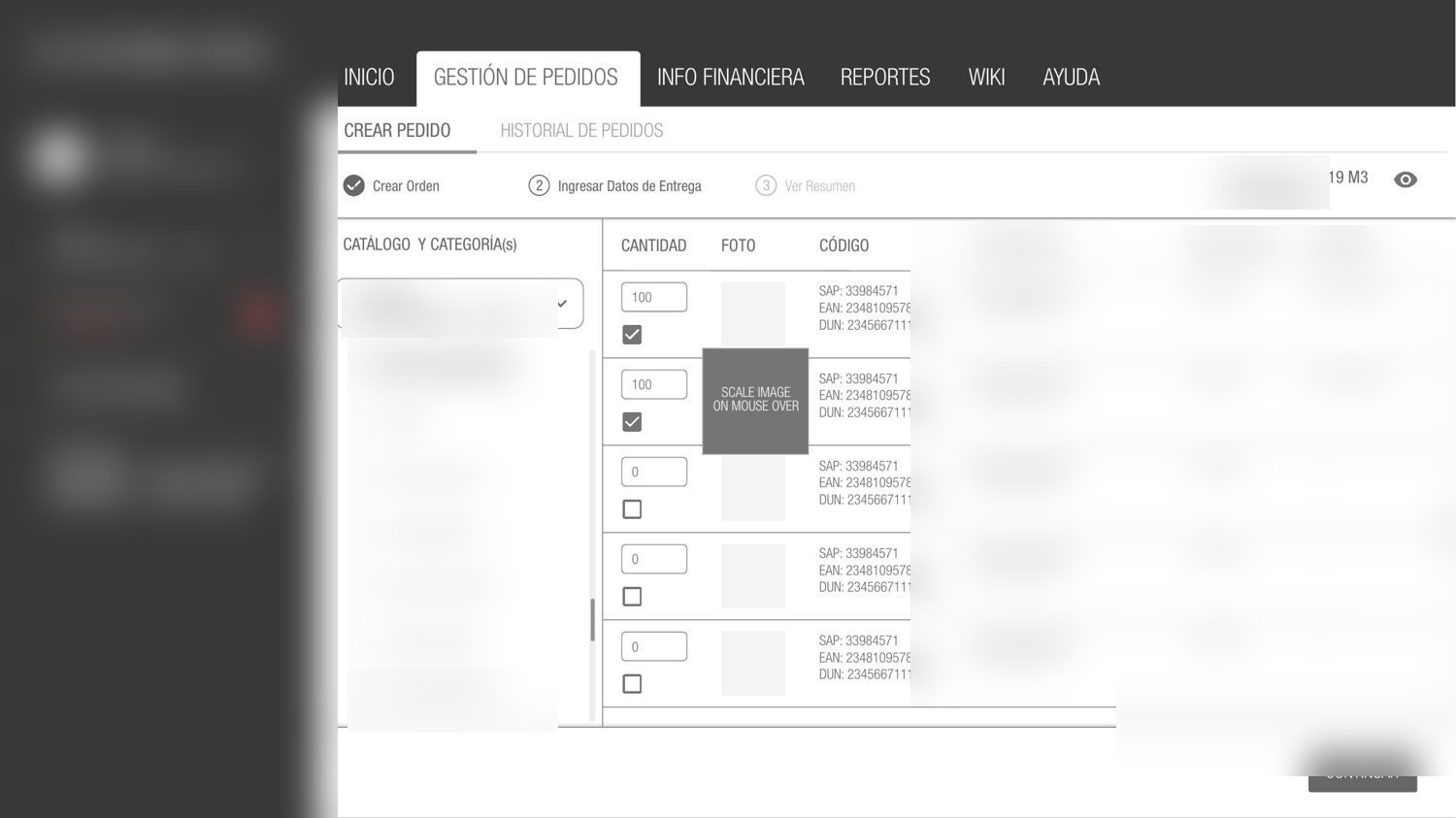
A fragmented set of B2B websites across the Caribbean and Latin America, rebuilt into one modular system delivered by one high-performing team.

RoleLead, Digital Product Experience (B2B)
OrgLiberty Latin America
Scope15 markets · multiple B2B brands
Team20 direct · 10 indirect · 5 agencies
Budget$1.5M, incl. vendor selection
StackSalesforce · Pardot · modular/headless

The problem

Liberty's B2B brands (Flow Business, +Móvil, C&W Business and Enterprise, MasMóvil Negocios, BTC and Liberty Networks) ran a sprawl of websites across 15 countries on a non-modular architecture. Every change was slow and costly, the experience shifted from one market to the next, and the team spent its time firefighting instead of building on past work. The business needed to ship more, and faster, without giving up quality or control.

What I did

The results

~3-4x
Delivery throughput, from 4 or 5 sites in production per quarter to 15 to 18
-50%
Average BAU turnaround, from 6 days down to 3
~97%
Average team performance per sprint, sustained
+21-25%
Sessions & organic traffic, year-over-year (measured period)

The modular system turned a maintenance burden into a delivery engine. Engagement compounded year over year: organic sessions rose about 25%, total sessions about 21%, pageviews about 22% and leads about 18% in the measured window. The same foundation then scaled cleanly into new Eastern Caribbean markets, starting with St. Maarten and continuing into Montserrat, Anguilla and Antigua.

We stopped rebuilding the wheel in every market and started shipping from a system. Quality went up while turnaround was cut in half.

"Natalia manages the team responsible for our websites across the Caribbean for Enterprise, SMB and Wholesale. She is a skilled UX leader who guides her team to deliver clear, user-centric digital experiences, and I recommend her to any team that wants thoughtful, customer-oriented solutions."

William Andrés Suárez OrtizCustomer Experience Executive, Liberty Latin America

Program-level financials (CAPEX / OPEX) are confidential and intentionally excluded. Metrics above are drawn from the team's own quarterly reporting and shown as percentages and counts only.
Case 02 · Decision Intelligence

Connecting a click to a closed deal.

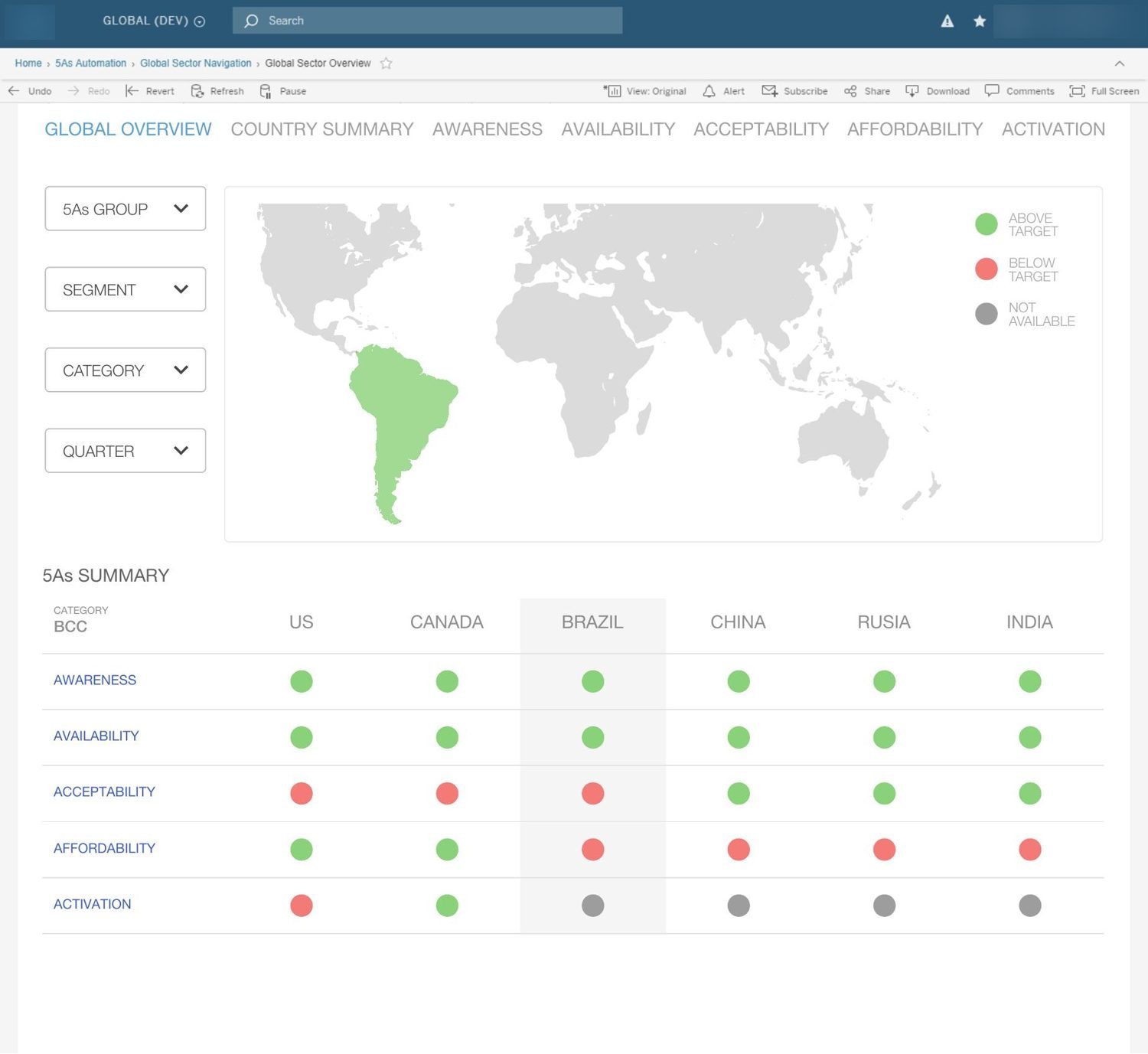
The business could see web traffic, and it could see Salesforce opportunities, but it couldn't connect the two. So we built the bridge.

RoleLead, Digital Product Experience (B2B)
DisciplineDecision Intelligence · Analytics
ToolsGoogle Analytics · Pardot · Salesforce
OutcomeEnd-to-end lead attribution

The problem

Marketing could see sessions and forms. Sales could see opportunities in Salesforce. But nobody could draw a line between the two: which traffic source, which page, which interaction actually produced a qualified lead and, in the end, revenue. Investment decisions were being made on vanity traffic numbers rather than on what really converted.

What I did

The results

End-to-end
Lead journey traceable from first touch to opportunity
+18%
Leads year-over-year in the measured period
+113%
Cumulative lead growth across the program

This turned the websites from a brand surface into a measurable revenue channel. Stakeholders could finally see "lead converted vs. opportunity" by source, the kind of decision-grade data that changed where the team invested next. It is the same idea I write about as decision intelligence: the value is not the dashboard, it is the decision the dashboard makes possible.

A dashboard tells you what happened. This showed us which click turned into pipeline, so we could put more behind it.

Figures shown as percentages; underlying revenue and budget data are confidential and excluded.

Case 03 · Enterprise rebrand & re-platforming

From C&W Enterprise to Flow Enterprise: a modular rebrand across a region.

Dated enterprise and wholesale web properties, re-platformed onto a modular base that seeded a headless system spanning multiple LatAm regions.

RoleLead, Digital Product Experience (B2B)
ScopeCaribbean · Central America · Andean · Mexico · USA
BrandsFlow Enterprise · Liberty Networks
ApproachModular, headless baseline

The problem

The enterprise and wholesale web properties (C&W Enterprise, Liberty Networks) were dated, inconsistent and hard to maintain, and they didn't support the new brand or the company's regional expansion. A surface-level reskin wouldn't last, so the architecture itself had to change.

What I did

The results

+50%
Conversion-rate uplift target set and pursued (2.6% to 3.9%)
Reusable
Modular baseline reused across multiple regions
Multi-region
One system spanning Caribbean, Central America, Andean, Mexico & USA

The rebrand was an architecture decision, not a paint job. By building the modular baseline first, each new market launched faster and stayed consistent, while the engagement program of interactive banners, a stronger knowledge section and entrepreneur-focused offers targeted a 50% lift in conversion on the core Flow Business funnel.

A rebrand is an architecture decision disguised as a visual one. Build the system first, and every market after is faster.

CAPEX / OPEX figures from the source plans are confidential and deliberately omitted.

Enterprise product & decision intelligence

Turning complex data into decisions people can act on.

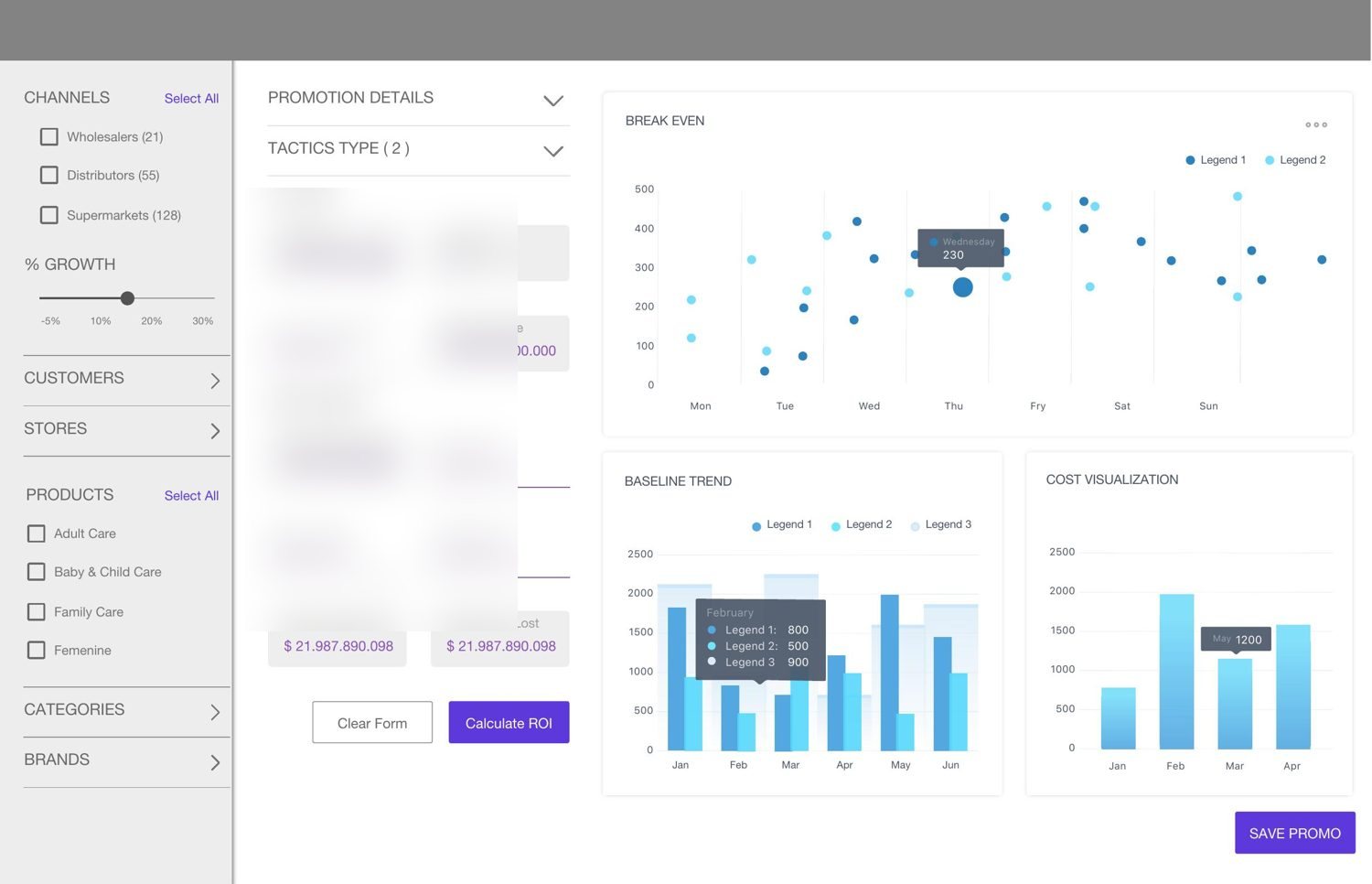
Before Liberty, I designed enterprise product and decision-support tools for a global consumer-goods company: the kind of dense, data-heavy interfaces that turn raw numbers into clear choices. Client identity and figures are anonymized; screens show design prototypes with placeholder data.

Case 04 · AI Product Strategy & Research Ops

Building the instrument before the product.

I needed to know whether a consumer product was worth building. So I built the research agent first, ran the study in under a week, and the evidence said no. So I didn't build it.

RoleProduct & Research Lead
ContextAWRA · product definition, pre-launch
DisciplineAI product strategy · Research Ops
MethodAI-moderated qualitative discovery
CycleUnder one week, end to end
OutcomeBuild/no-build decision

The problem

AWRA started from a consumer hypothesis: that loneliness was a large enough, urgent enough problem that people would pay for an app to help with it. The pain was easy to find evidence for. Whether it was a business was a different question, and the honest answer was that I didn't know.

Conventional discovery would have answered it in four to six weeks, between recruiting, scheduling, moderating, transcribing and synthesising. That timeline has a hidden cost: it is slow enough that teams start building in parallel, and by the time the research lands the decision has already been made by momentum. I wanted the answer before that happened.

What I did

The results

<1 week
End to end, from first line of code to decision
20
Participants, past the saturation threshold for qualitative discovery
85%
Completion rate across sessions started
8.5 min
Average duration, against a 10-minute promise to participants

The finding was specific, and it was not the one I wanted. The pain was real and participants described it clearly. But in the target age range it sat well below the threshold that drives people to act: they were not looking to solve it with an app, and they were not willing to pay for one. A real problem and a viable business turned out to be two different things.

Pain confirmed. Urgency insufficient. Willingness to pay, nil. The product was not built.

What the week bought was not a study. It was the months of engineering that would have gone into a product nobody was going to pay for, and the confidence to say so out loud with evidence behind it instead of a hunch.

The instrument outlived the hypothesis. Turning scattered conversation into structured, decision-ready insight is a problem enterprises have too, and the model now sits in AWRA's product architecture as a governed, human-in-the-loop agent rather than a consumer feature. The research tool built to test one business became a component of another.

What I'd carry into a team

AWRA is in development and not publicly available, so no live link is included. Participants took part under a confidentiality commitment: findings here are aggregate only, with no names, quotes or identifying detail. Commercial projections for AWRA are excluded throughout. Unlike the Liberty programs above, this case documents product definition and a decision, not delivered business results.

Earlier work

Two decades of craft behind the strategy.

Before leading programs, I shipped the work myself, across finance, healthcare, education, retail and luxury.

Dow Jones
Passkey & ticketing platforms

End-to-end UX, audits, prototypes & usability testing for fintech platforms.

Kimberly-Clark
Enterprise UX across LatAm & NA

Research, MVPs, design systems and design-thinking workshops.

Kaplan · Coach · Boehringer
Research and design systems

Journey mapping, design systems and multi-device product design.

Want the full story, with visuals?

Download the portfolio PDF, or reach out directly.

Download portfolio & contact →
Carolina's assistant
Answers only from verified info
Scripted assistant · no AI guessing · on-context only